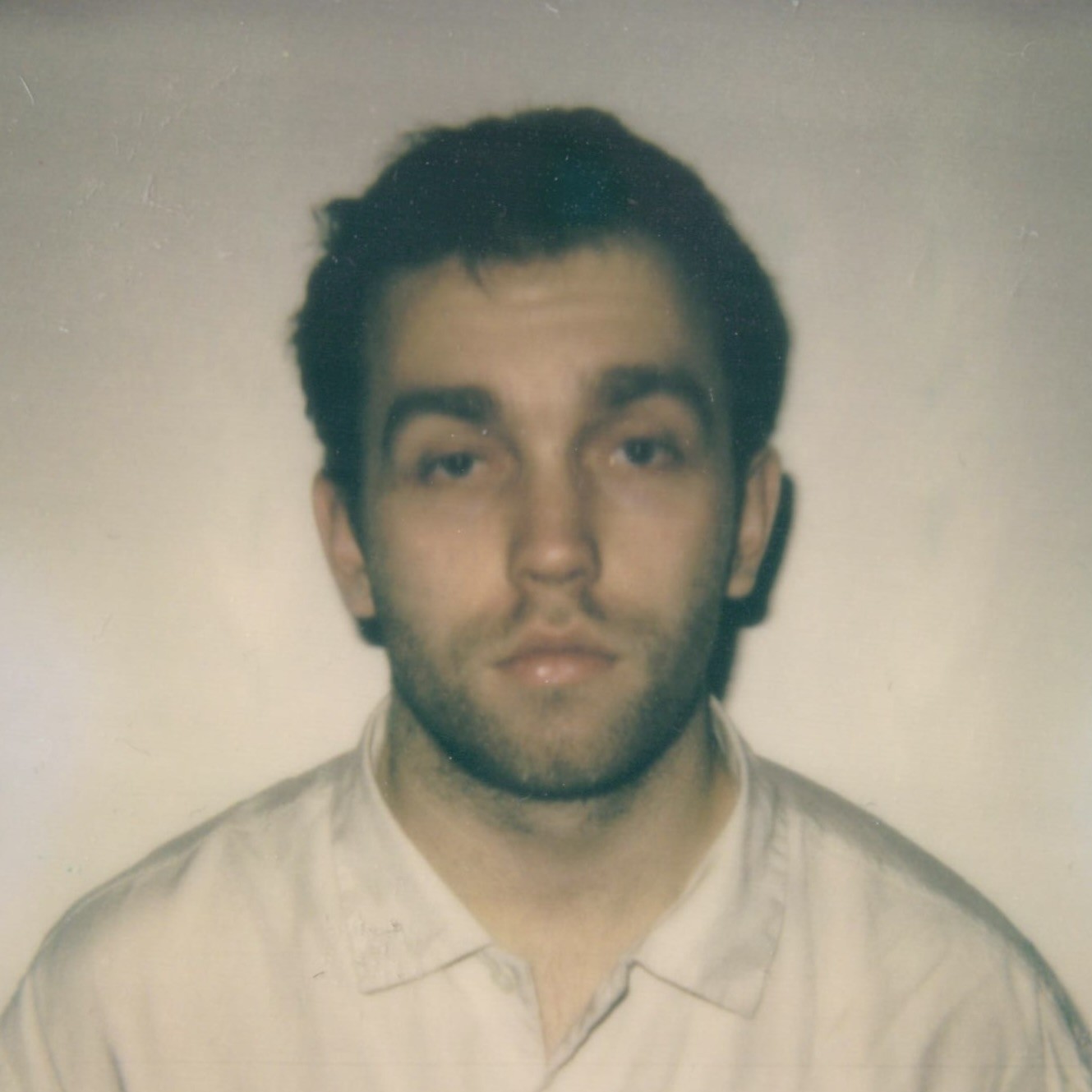
is a student at the Academy of Fine Arts in Łódź and an artist working in the field of new media art. His work often looks at the clash between humanity and technology. At the same time, these creations are his personal fantasy of the future, expanded by real dilemmas and concerns about our fate. He often looks to science fiction and futuristic literature for inspiration. He draws on the aesthetics or themes explored by video games and films. When he creates, Borys looks for ways for viewers to interact with his work.
Artyści
Lilian Robl
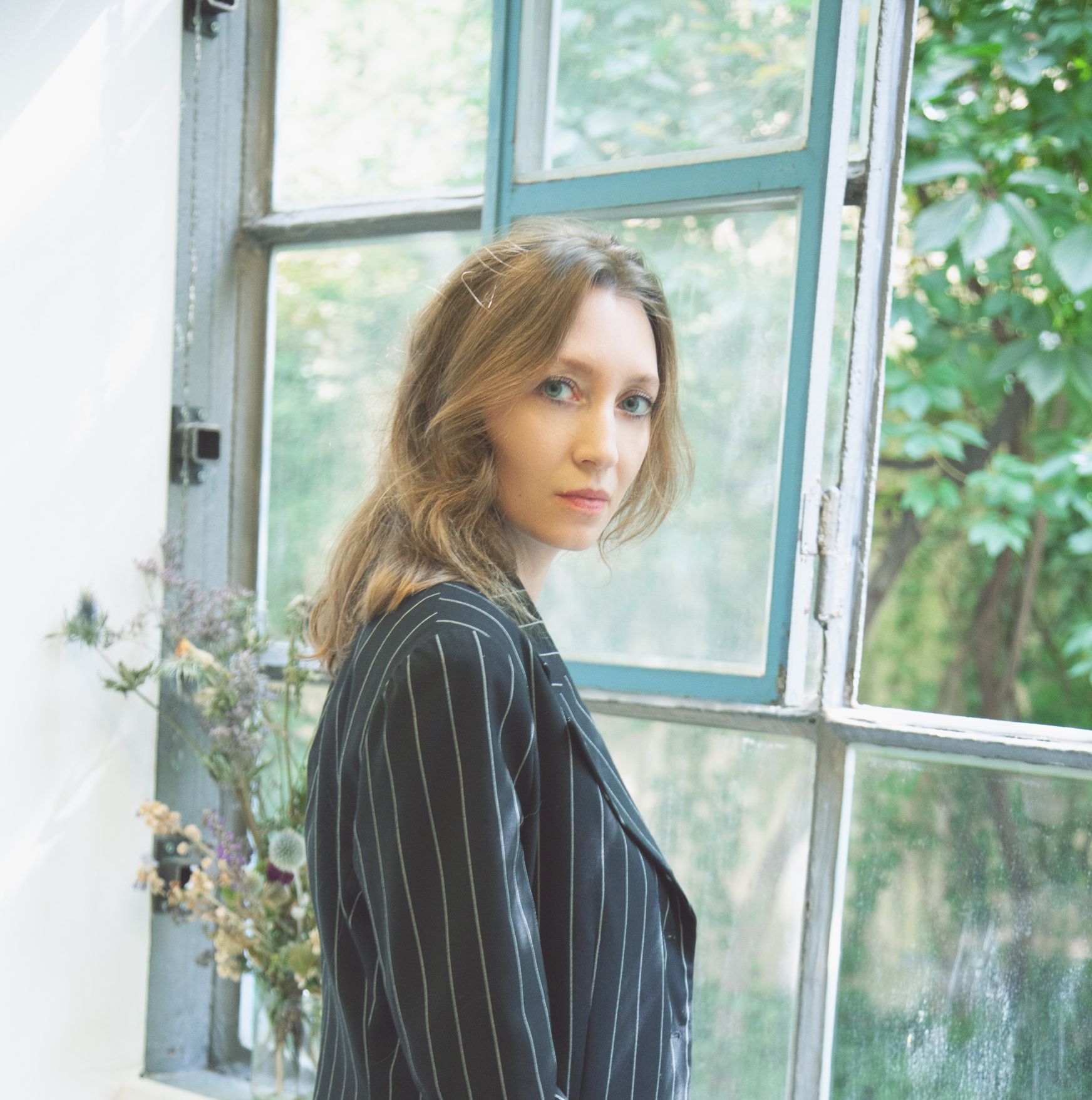
German artist and writer specializing in film and language. Her artistic practice is interdisciplinary and combines theory, autobiography, literature and science.
Tahn
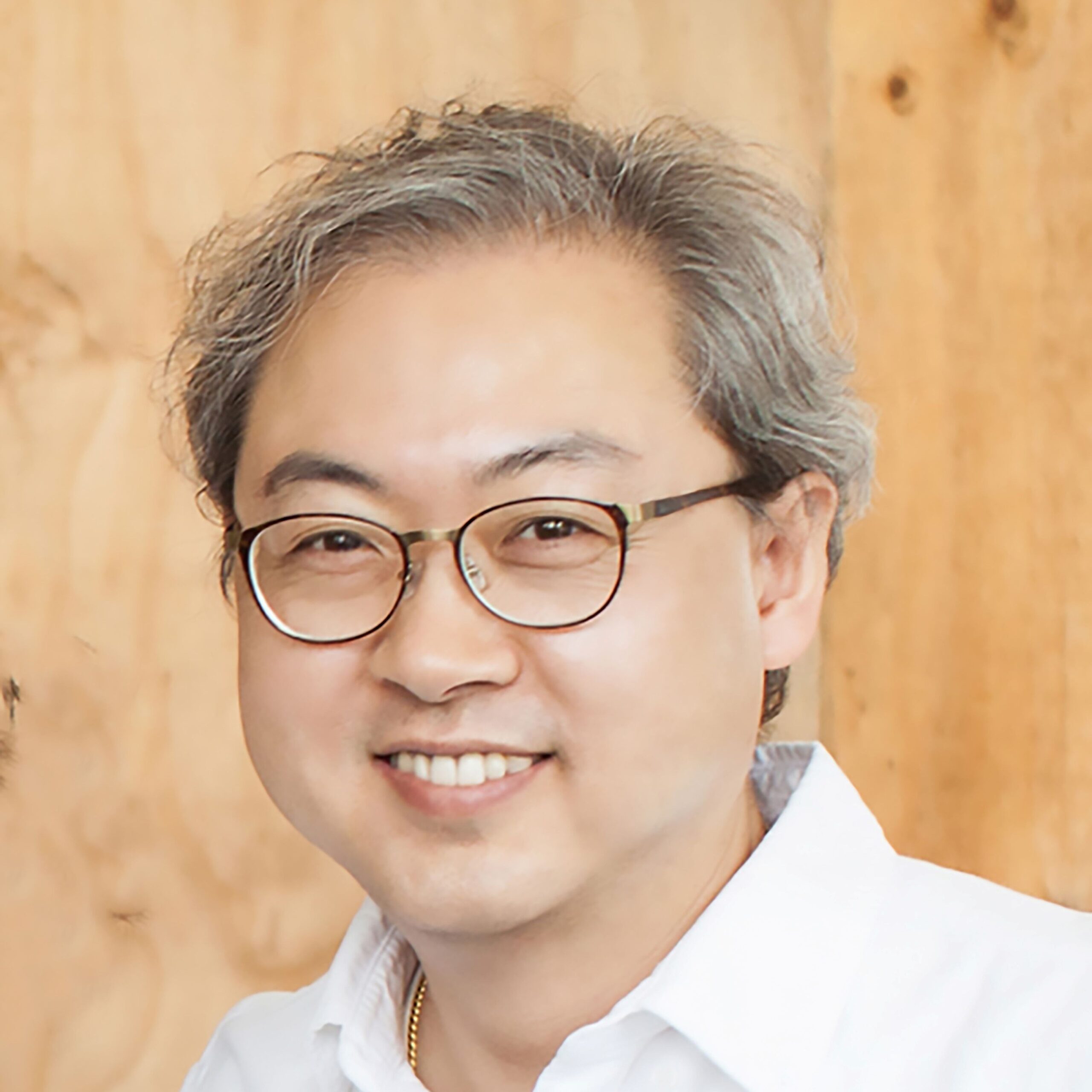
Born in Korea in 1967, Tahn witnessed firsthand the post-war generation’s tireless reconstruction. Raised amid rapid industrial shifts, Tahn’s own generational struggle was one of identity amid transition. Now, holding a Ph.D. in Media Contents and degrees in Psychology and Modern Dance, Tahn explores hybrid spaces where traditional Korean iconography meets contemporary data-driven media. Tahn’s works examine collective memory, human fragility, and temporal elasticity, creating spaces that fuse myth, history, and real-time engagement.
André Perim
is a multimedia artist, musician, and composer from Rio de Janeiro, Brazil. His work critically examines the relationship between technology and language in our digital age, and has been featured at festivals worldwide. As a musician, Perim released “Side Effects” in 2018—an album created during his extended hospital stay while undergoing cancer treatment. In 2022, this became a radio show on London’s RTM FM Radio. He also produced “XAMÂ,” an album dedicated to indigenous Brazilian peoples and presented at the Climate Change Conference COP 26 in Glasgow (2021). In 2022, he published an autobiographical book.
Guli Silberstein
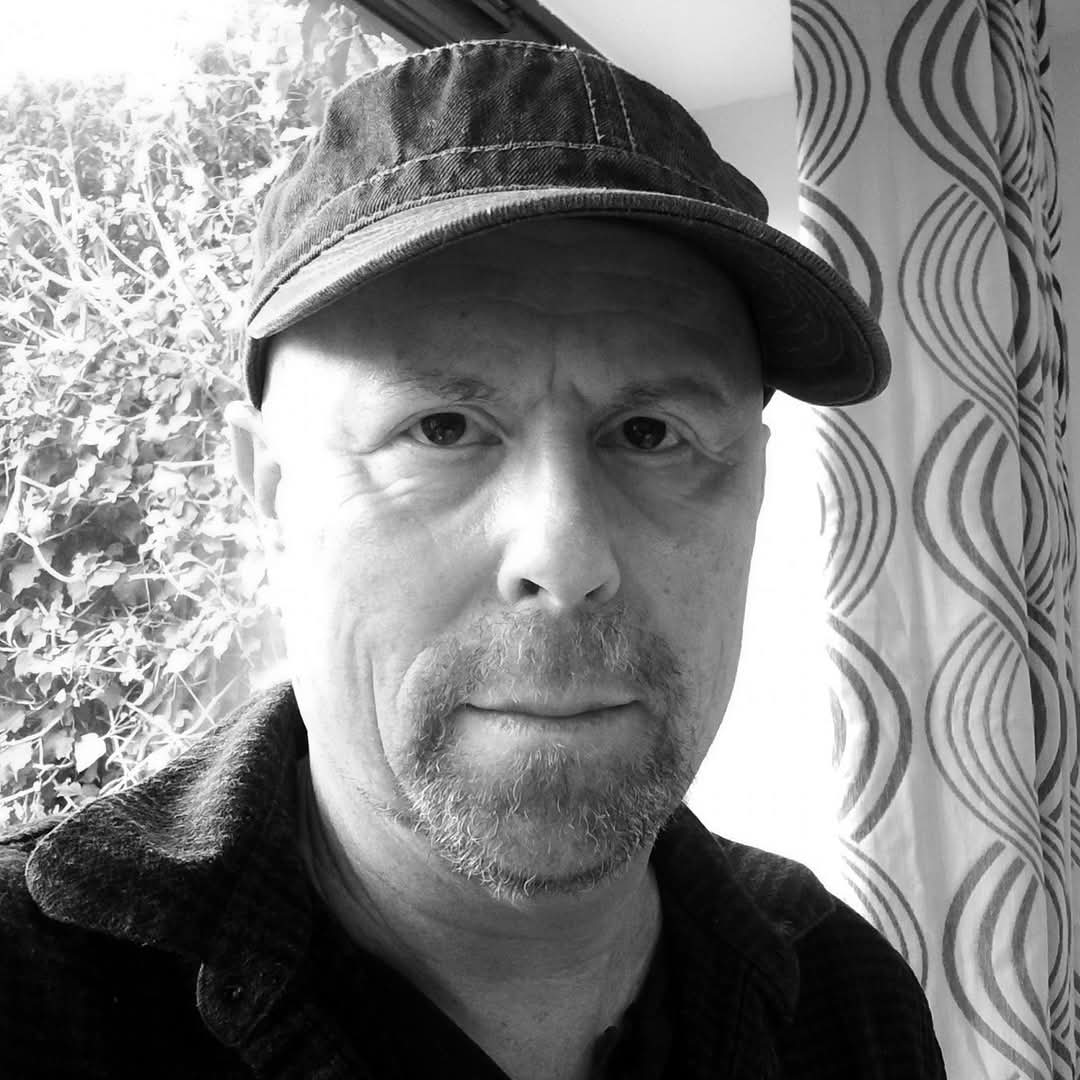
is a London-based digital and AI video artist with over two decades of experience. Specializing in VFX, glitch art, and AI-generated work, he explores how ideas and stories can be transformed into moving forms. His extensive body of work has been showcased and awarded at prestigious festivals and exhibitions worldwide, including WRO Media Art Biennale & Kinomural (Poland), Transmediale Festival (Berlin), and FILE (São Paulo). He shares his video art content regularly on social media.
Barry Anderson
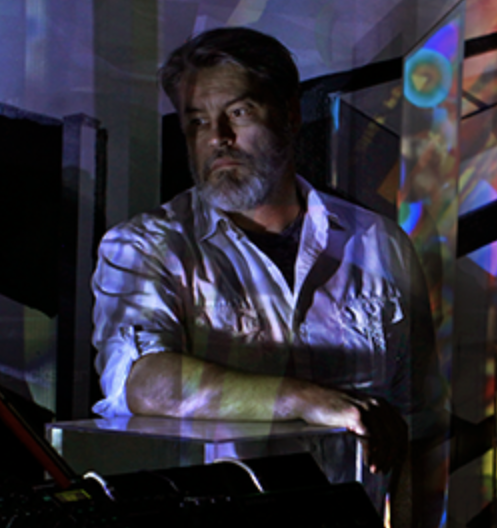
works in video, photography, sound, and installation. His work has been featured in over 50 solo exhibitions and over 100 group exhibitions around the US and abroad. His work is also included in museums and numerous public and private collections.
Takayuki Nakamura
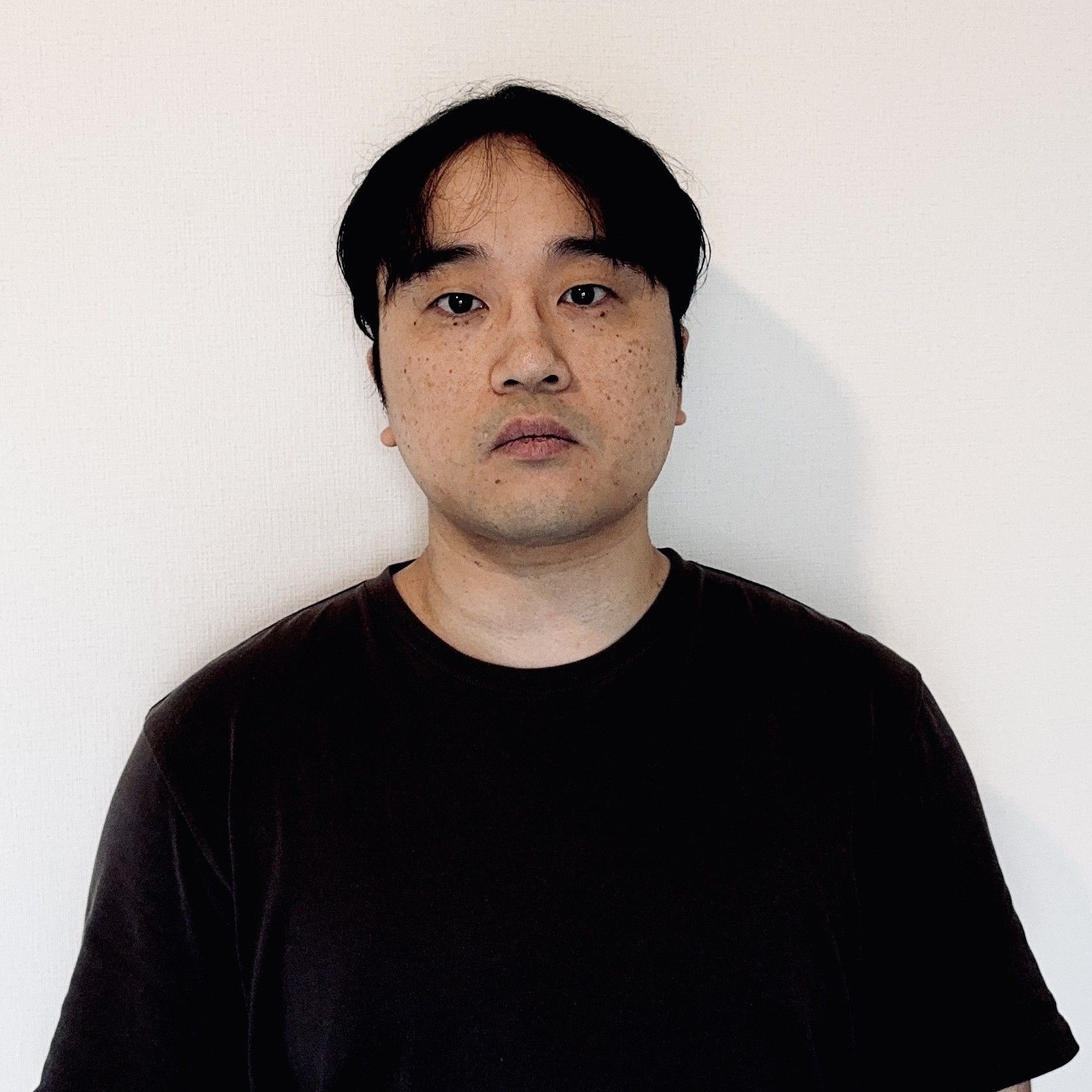
is a programmer and audiovisual artist based in Tokyo. In recent years, he has mainly been posting video works on Instagram.
Kim Jaehyeon
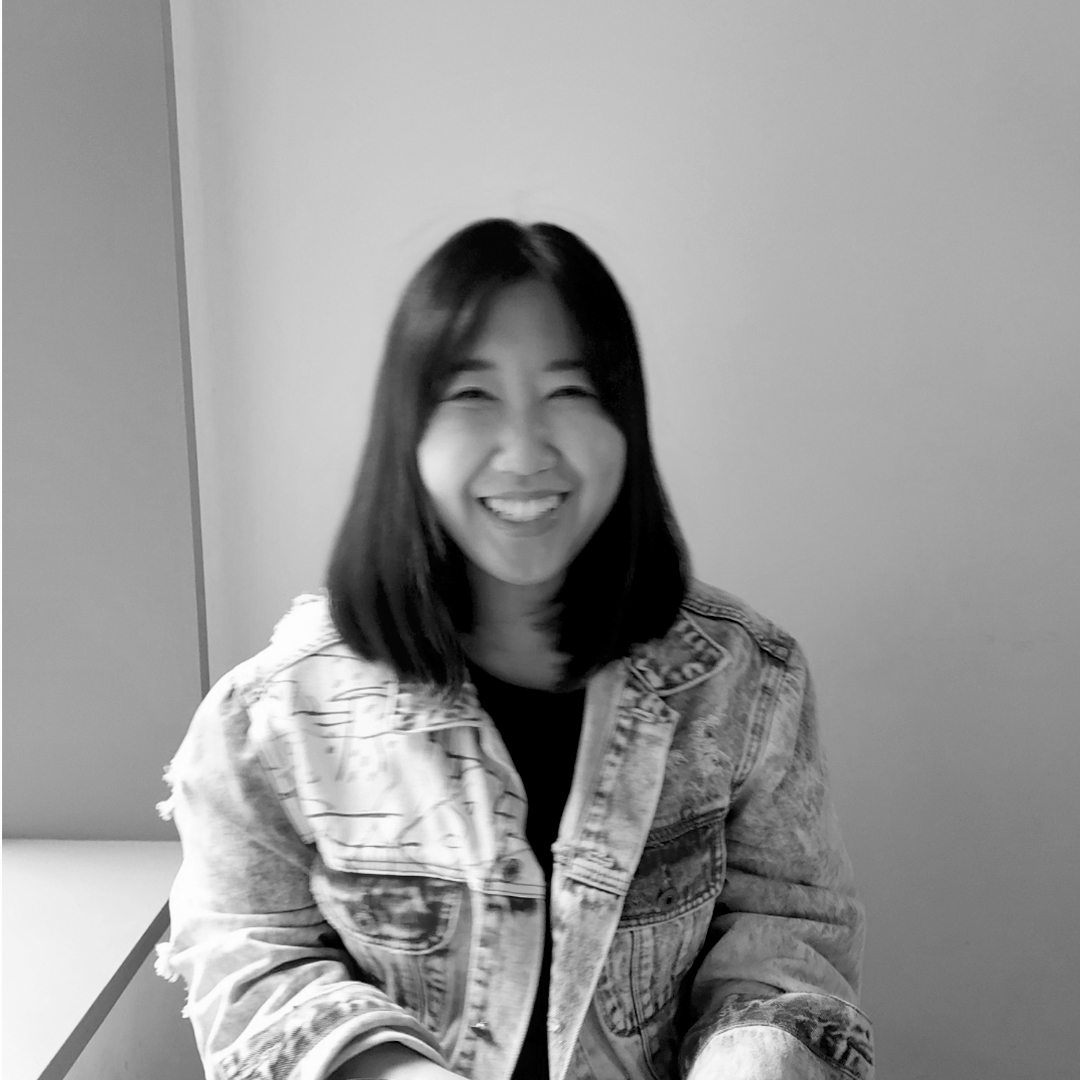
an emerging Korean animation director, creates works that explore themes of the unconscious through abstract imagery and non-linear storytelling. She investigates how time-based video art can be transformed and activated through its interaction with exhibition spaces.
Paul Beaudoin
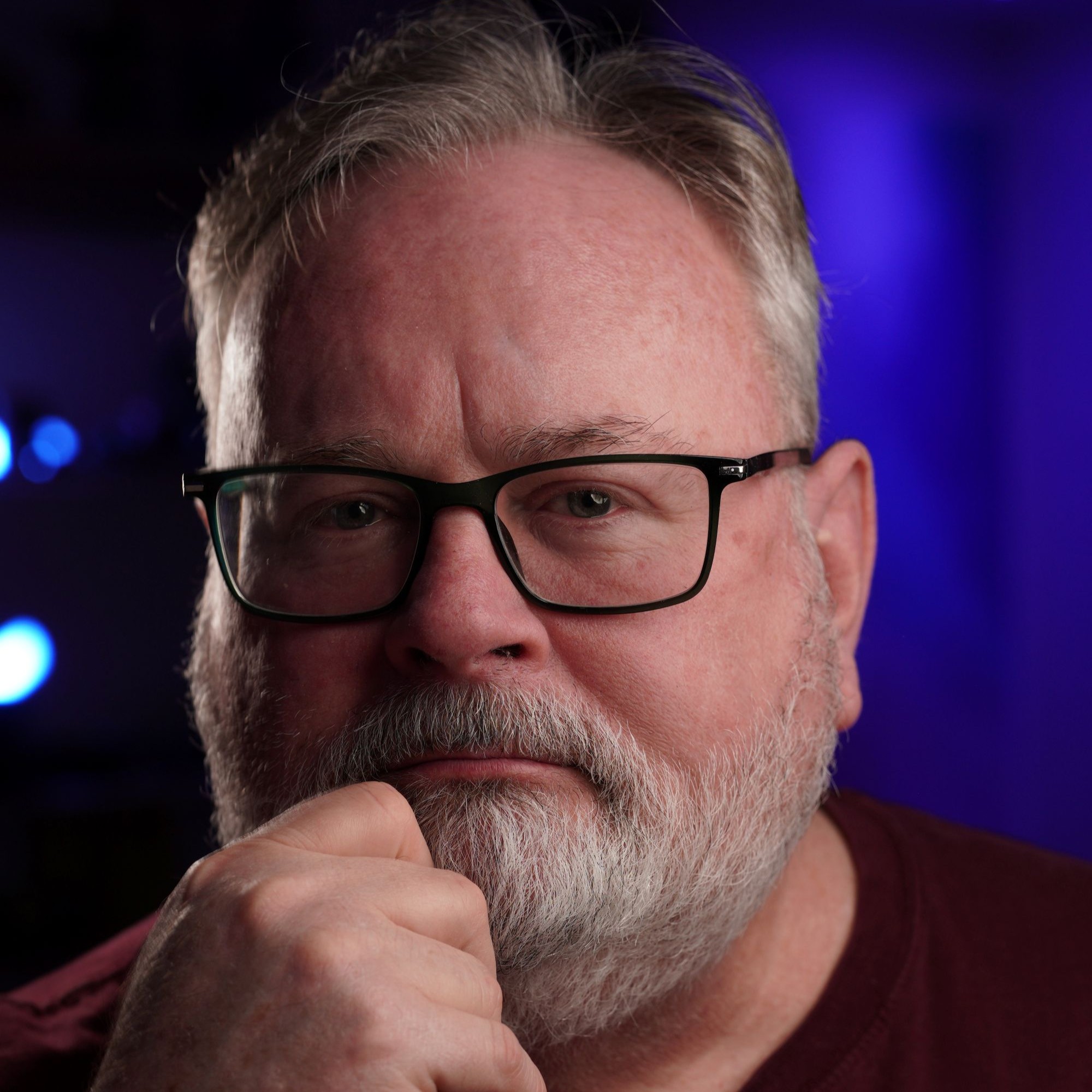
is an interdisciplinary artist whose work spans music, video, text, and painting. With a PhD in music composition and theory, Beaudoin’s career includes over 40 years as a professor of art and music. His recent work explores themes of memory, identity, and social constructs by reworking family movies and U.S. government educational films he encountered in his childhood. Exhibited internationally—including at the Museum of Modern Art (MoMA), Croatia, Brazil, and England—Beaudoin’s works recontextualize archival media through personal experience. His award-winning sound compositions use silence and fragile textures as compositional material. Based in Estonia, Beaudoin continues to create works that reflect on marginalized identities, found media, and the malleability of memory in the digital age.
Francisco Belarmino & Sebastián Marchant
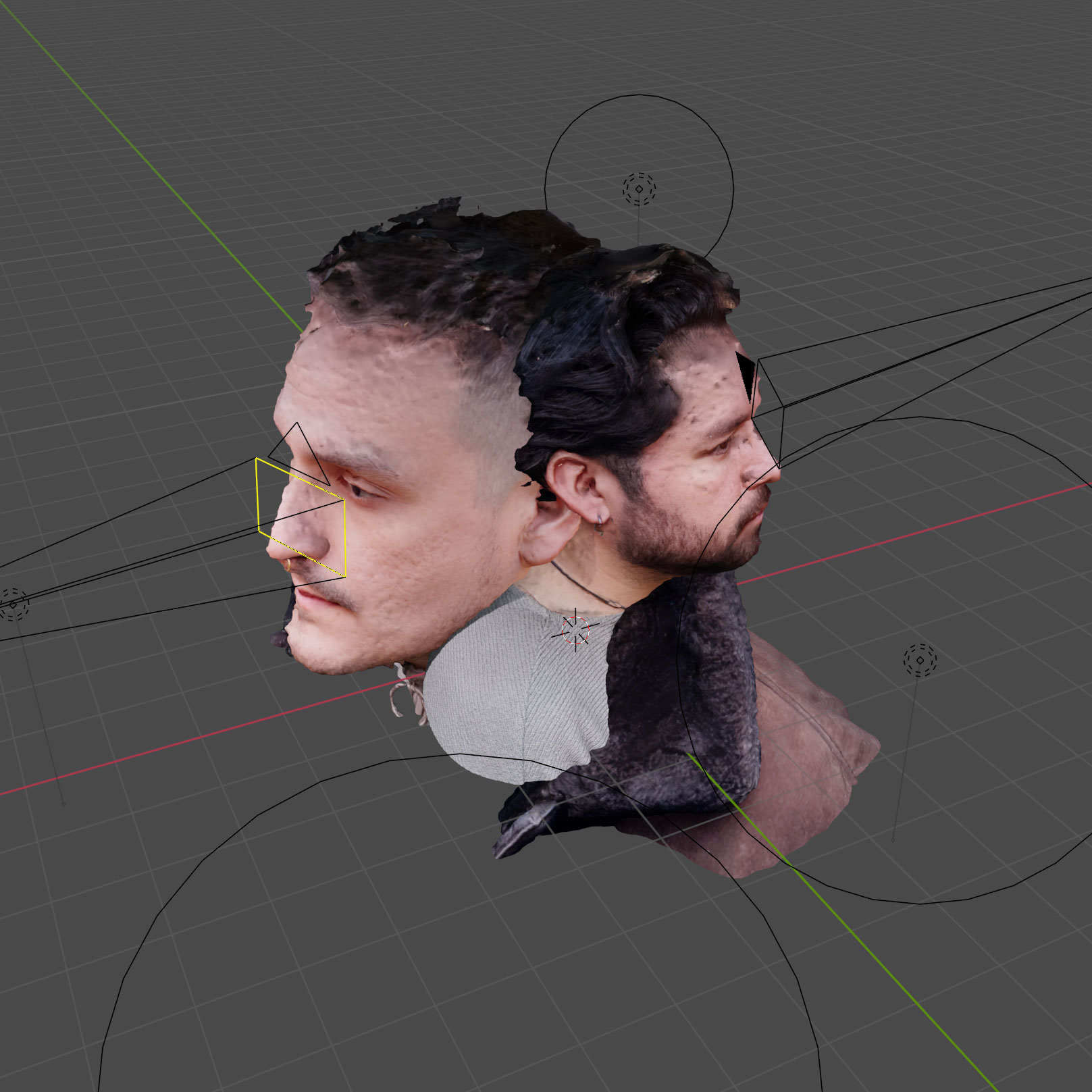
Francisco Belarmino is a media artist based in Santiago de Chile. His artistic research is linked to technical imagery, especially the development of works in video and installation. His reflections stem from mass imaginaries (from cinema, tv and internet), the relationship between individuals, technology, and images, and how this intersects with personal, social, political, and aesthetic issues. Instagram